by Rafshan | Last update: August 15, 2025
The blend of pixel streaming and BIM modeling is transforming how visualization studios engage audiences in the architecture, engineering, and construction (AEC) industry.
What once required powerful desktop setups and slow, static file transfers can now be experienced in real time—on any device, from anywhere, by anyone involved in the project.
BIM modeling has reshaped how we visualize complex designs, but making these rich, data-heavy models both accessible and easy to navigate has always been a challenge. Pixel streaming changes that. Powered by cloud computing and real-time 3D platforms like Unreal Engine, it delivers seamless, interactive experiences that set a new benchmark for industry leaders.
BIM, or Building Information Modeling, brings the entire design, construction, and lifecycle management of a project into a single, intelligent 3D model. Instead of working with static blueprints or fragmented files, BIM delivers a living, data-rich representation of a building or infrastructure—accessible to architects, engineers, contractors, and stakeholders alike.
The value is transformative: from precise design visualization and seamless collaboration, to reduced errors, cost savings, and smarter decision-making throughout the project’s lifespan. Whether used in early concept stages or long after construction is complete, BIM ensures every detail is connected, coordinated, and ready to explore in a truly interactive way.
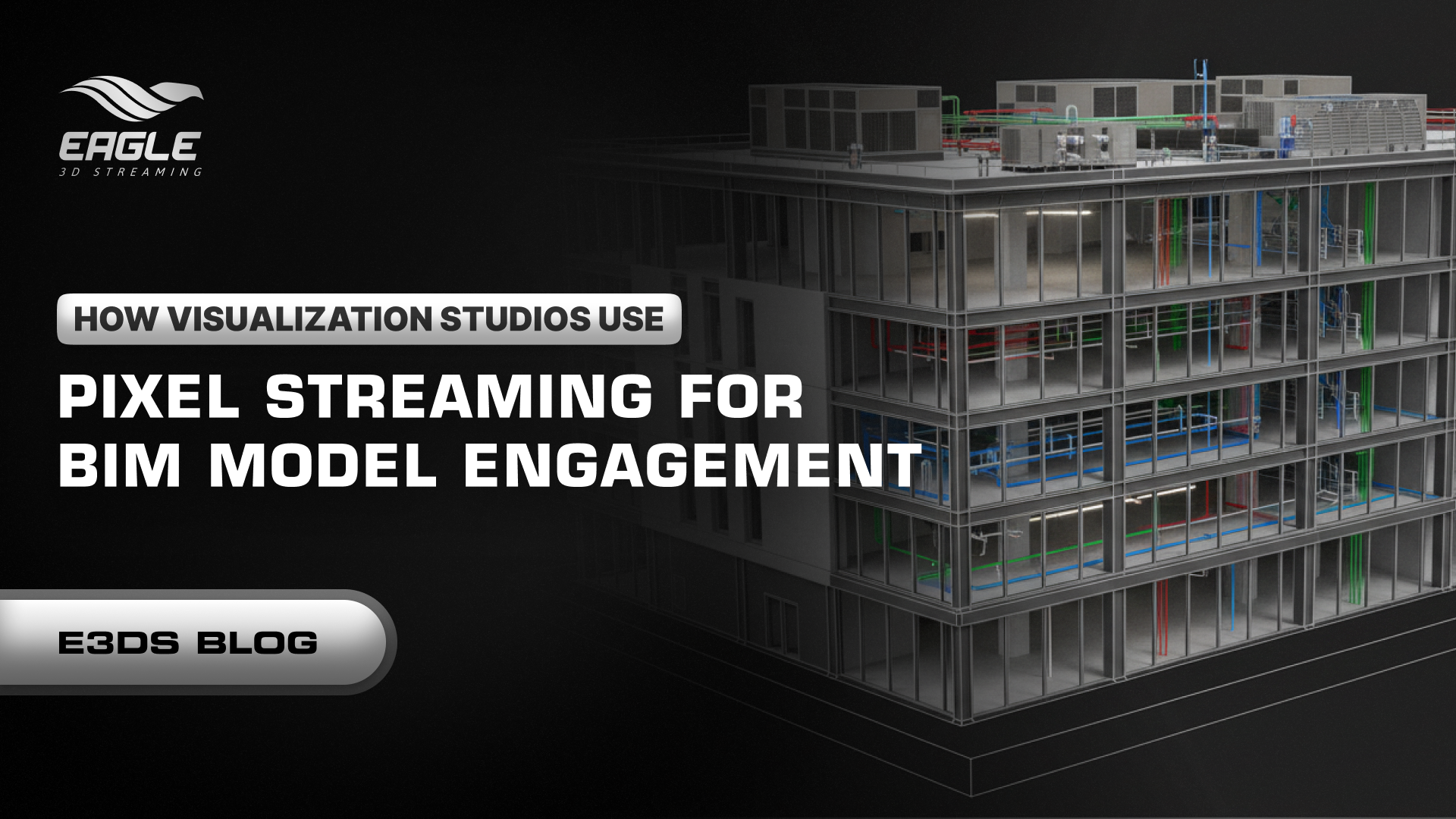
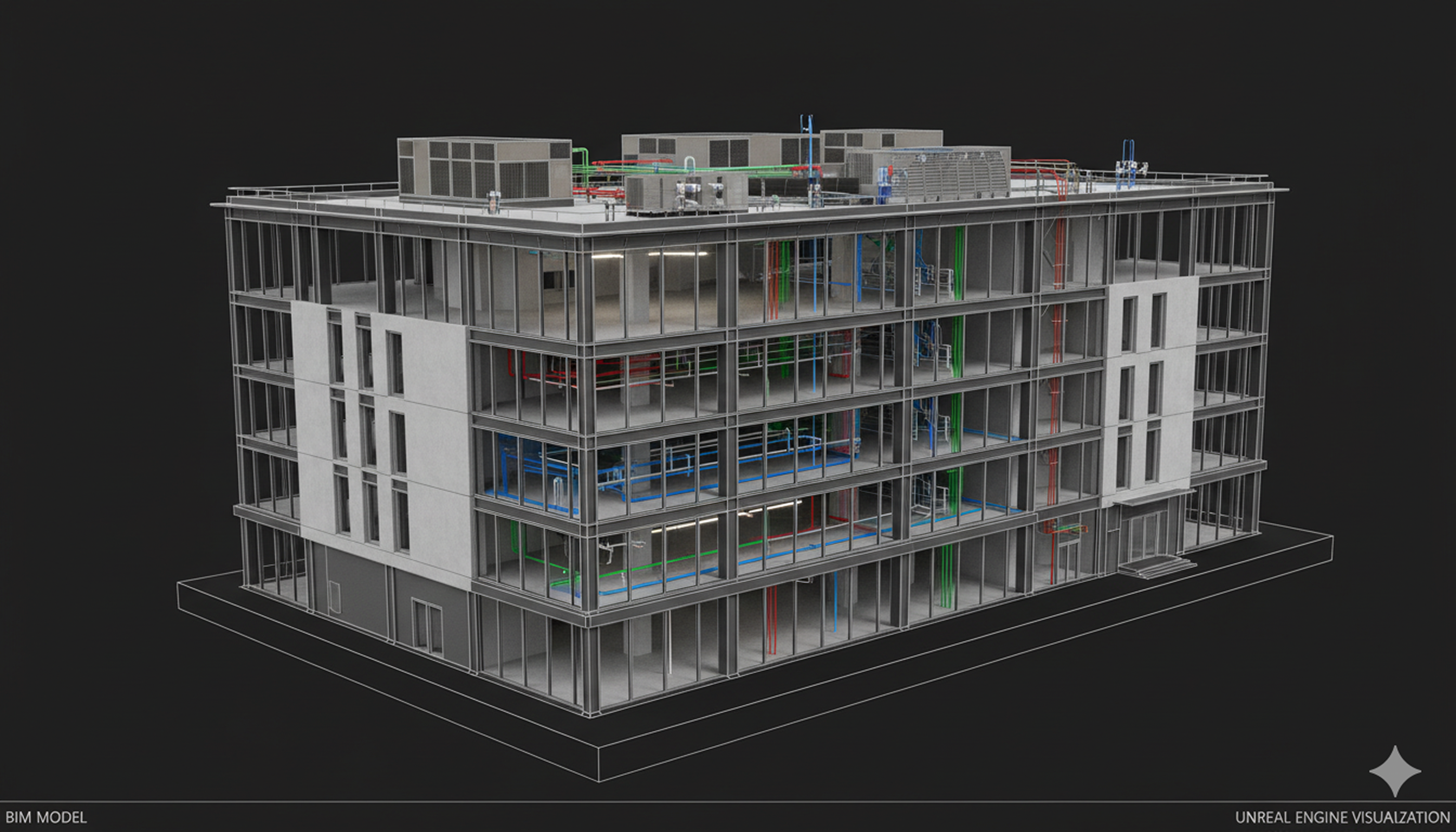
High-detail 3D cutaway of a BIM model showing internal building systems, illustrating how complex geometry and data layers can be visualized for pixel streaming and real-time collaboration.
BIM modeling has become the digital backbone of today's architecture, engineering, and construction (AEC) projects. It goes beyond just capturing the physical geometry of a building or infrastructure; it integrates the critical data behind every element, from materials and specifications to cost estimates and timelines.
While engineers, architects, and other professionals leverage BIM for its advanced capabilities, such as clash detection, performance analysis, and lifecycle management, visualization studios face the task of adapting to these tools. They must implement workflows that enable the efficient and effective use of BIM content within
Unreal Engine (UE). In other words, visualization studios are tasked with importing BIM content into UE and then figuring out how to deploy the project for advanced visualization, immersive storytelling, and deeper stakeholder engagement.
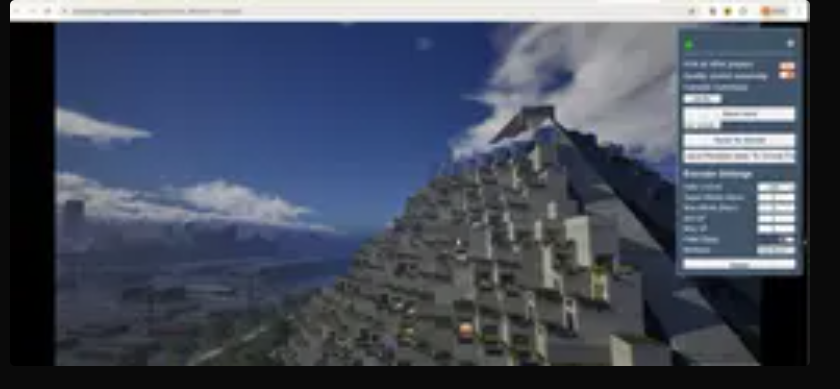
Pixel streaming has grown from a novel experiment in remote 3D viewing into a trusted, production-ready platform for visualization studios in recent years. When combined with BIM, it transforms complex, data-heavy models into interactive experiences that can be accessed on virtually any device—no downloads, no specialized hardware.
Here’s what makes the combination so impactful:
Unreal Engine’s rendering capabilities transform BIM models into highly realistic visualizations with detailed textures, accurate lighting, and dynamic environmental effects. This allows stakeholders to see the design in a lifelike manner, aiding in better decision-making and project understanding.
Example: Dubai's urban planning models use Unreal Engine for stunningly realistic visuals, helping planners and developers visualize the city’s complex infrastructure.
Unreal Engine facilitates real-time collaboration by allowing multiple stakeholders to work on the same BIM model simultaneously. Team members can provide feedback, annotate, and make decisions from different locations, reducing delays and improving efficiency.
With Unreal Engine, BIM models remain interactive and smooth across a wide range of devices, from powerful desktops to mobile tablets. This flexibility ensures that stakeholders can engage with the model wherever they are, ensuring easy access to the project anytime. Example: BMW uses Unreal Engine for real-time design reviews, allowing stakeholders to access the models from different devices, ensuring collaborative flexibility.
Unreal Engine is capable of handling projects of all sizes. Whether it’s a small section of a building or a large-scale city model, Unreal Engine maintains performance, ensuring that detailed BIM models can scale efficiently without compromising on quality. Example: The Edge Amsterdam leverages Unreal Engine’s scalability to create both detailed office environments and city-scale models, ensuring smooth performance at all stages
Unreal Engine allows users to conduct immersive 3D walkthroughs of BIM models, making it easier for stakeholders to understand the design before construction. These interactive tours enable decision-makers to explore spaces and make changes based on a realistic preview.
For the AEC industry, this means that BIM models are no longer locked behind powerful desktop machines or lengthy export processes. Instead, they can be streamed directly from the cloud, enabling faster reviews, clearer communication, and better decision-making across every phase of a project—from early design to post-construction operations.
Unreal Pixel Streaming removes the usual barriers to high-end 3D visualization. There’s no need to install complex software or configure hardware—stakeholders click a link and instantly enter the experience. This frictionless access means faster adoption and wider participation across teams.
Whether it’s a powerful workstation, a tablet on-site, or a smartphone in a client meeting, Unreal Pixel Streaming delivers the same stunning visuals. Photorealistic BIM models load directly in the browser, making detailed design reviews possible anywhere, without compromising quality.
All models and BIM data stay safely on the server, never downloaded to a local device. This server-side processing not only protects sensitive project information but also ensures consistent performance regardless of the user’s device capabilities.
Pixel streaming enables multiple stakeholders to review, annotate, and discuss the same BIM model in real time. From architects and engineers to clients and contractors, everyone can explore and contribute simultaneously—streamlining decisions and reducing costly delays.
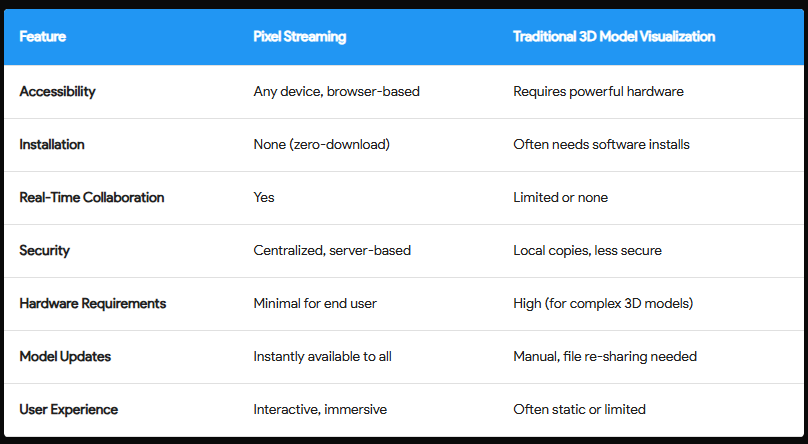
Here’s a clear comparison between Pixel Streaming and Traditional 3D Model Visualization:
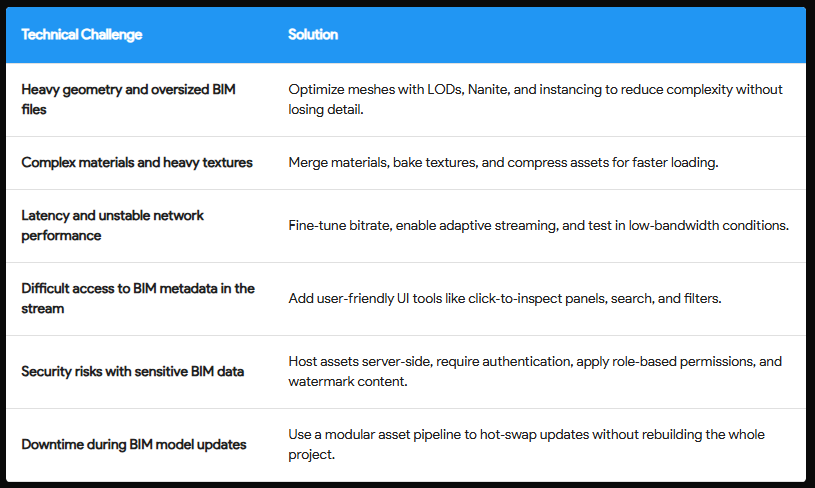
Getting a BIM model ready for pixel streaming means optimizing it to be lightweight, easy to explore, and secure—without sacrificing important details. The goal is to ensure the model runs smoothly in a browser, works seamlessly across devices, and provides all the necessary information for stakeholders.
Here’s a simple step-by-step process that takes you from raw BIM data to a fully optimized, cloud-ready experience, using Eagle 3D Stream for pixel streaming:
Request a Personalized Demo Let’s discuss your unique needs and show you exactly how Eagle 3D Streaming addresses your challenges. Get tailored insights and have all your questions answered.
Start a FREE 7-day trial! Experience firsthand how Eagle 3D Streaming can transform your projects. See the difference in performance—no credit card required, just smoother, more efficient workflows.
By integrating Building Information Modeling (BIM) with pixel streaming technology, real estate developers can offer potential buyers fully interactive property tours directly through their web browsers. This advanced approach allows users to virtually explore spaces, delve into intricate design details, and make faster, more informed decisions.
Immersive 3D property tours not only enhance user engagement but also improve conversion rates, helping developers close deals more efficiently. With real-time access to the property, buyers can feel as if they’re physically present, amplifying the user experience and boosting sales potential.
BIM-powered digital twins are transforming the way facility management teams train and operate. A digital twin is a virtual replica of a building that integrates real-time data and BIM content, allowing maintenance teams to navigate the virtual version of the building.
Using this technology, staff can learn repair procedures, simulate emergency scenarios, and test various maintenance tasks, all without interrupting day-to-day operations. The ability to train in a virtual environment ensures a higher level of preparedness, reduces downtime, and improves the overall efficiency of maintenance operations, making facilities safer and more cost-effective to manage.
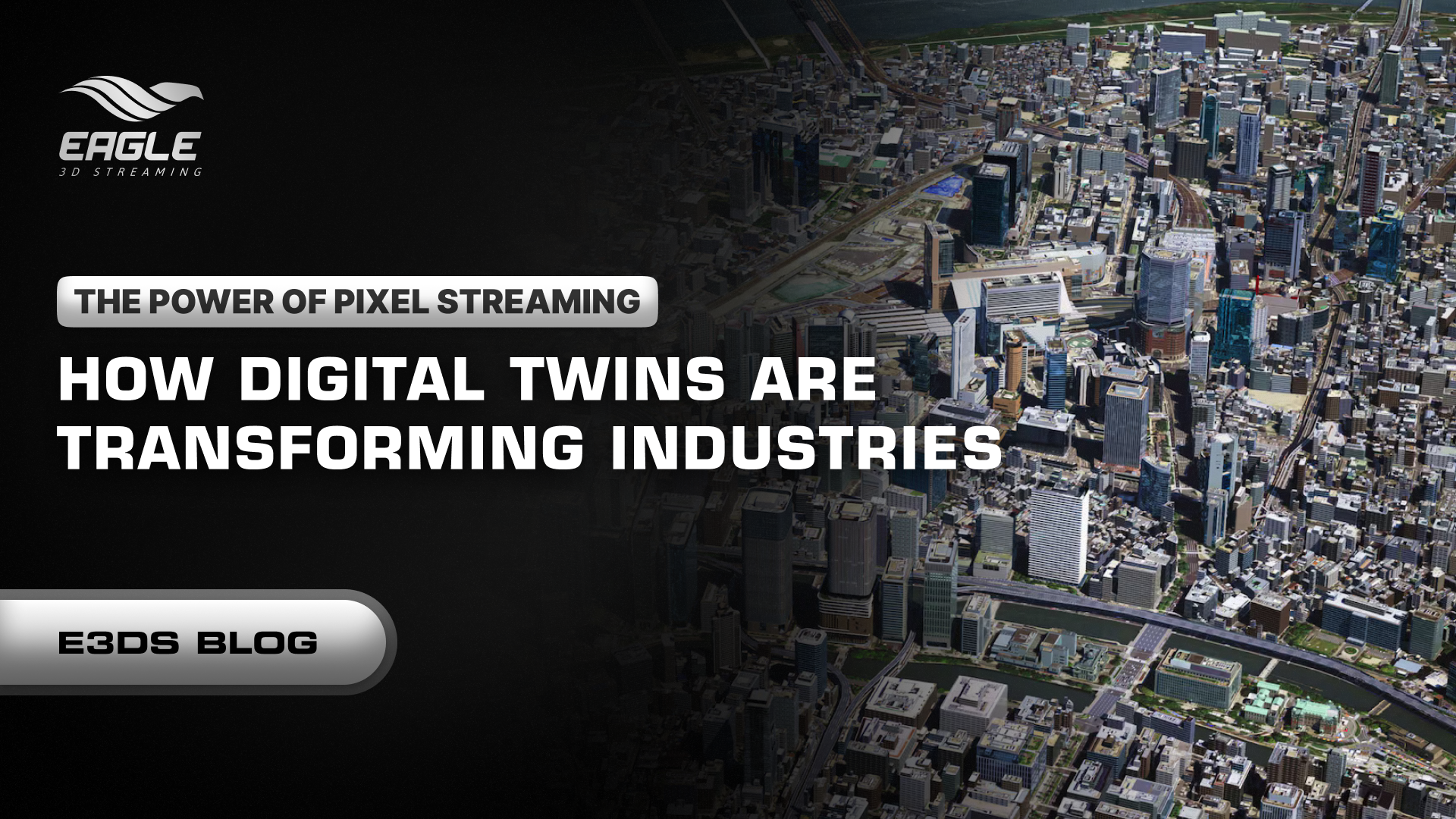
Urban planning is entering a new era with the use of large-scale BIM models that visualize cities, infrastructure, zoning, and public spaces in intricate detail. These models provide planners with a comprehensive view of how a city will develop, helping them make more informed decisions about future infrastructure projects.
Pixel streaming enables multiple stakeholders—including urban planners, architects, and local governments—to explore and collaborate on these models in real time. By leveraging services like Eagle 3D Stream, the process becomes even more seamless and efficient. This collaborative environment improves communication, fosters transparency, and enhances public engagement by offering a clear and interactive representation of proposed urban changes.
In architecture, engineering, and construction (AEC), collaboration is key. BIM technology combined with pixel streaming, powered by services like Eagle 3D Stream, creates a dynamic, real-time environment for architects, engineers, and contractors to review designs and make changes instantly. This interactive space allows project teams to identify issues early, test different design solutions, and build consensus in a fraction of the time it would take using traditional methods.
By streamlining the design review process, teams can reduce the likelihood of costly revisions, improve project timelines, and enhance overall project quality. Real-time feedback and collaborative problem-solving, facilitated by Eagle 3D Stream, lead to smoother project execution and higher client satisfaction.
Pixel streaming removes the need for expensive, high-end machines. Anyone with a web browser—on a laptop, tablet, or phone—can access the full BIM experience instantly.
With Unreal Engine rendering in the cloud, models are displayed at their best visual quality. When BIM data is updated, the streamed version reflects those changes immediately.
All assets remain on the server, protected from unauthorized downloads. This centralized approach ensures consistent performance and simplifies version control.
Pixel streaming quality relies heavily on a good internet connection. Low bandwidth can result in lag or reduced visual quality.
Hosting BIM models for pixel streaming requires continuous investment in cloud infrastructure, which can add to project costs over time.
A: Pixel streaming delivers high-quality, interactive BIM models through a web browser, removing the need for powerful hardware. It allows teams and clients to access the latest model from any device, making collaboration faster and easier.
A: Pixel streaming removes hardware barriers and enables real-time, interactive access to BIM models from anywhere. Stakeholders can explore designs, review updates, and collaborate instantly without needing powerful local machines or software installations.
A: To implement Unreal Pixel Streaming, you need a GPU-powered cloud server capable of handling real-time rendering, a stable high-speed internet connection to ensure smooth performance, and a BIM model optimized and prepared for Unreal Engine. Proper model preparation—such as geometry optimization, texture compression, and efficient lighting—ensures the streamed experience is both high-quality and responsive on any device.
We've explored how Eagle 3D Streaming combined with BIM modeling is transforming the way visualization studios design, review, and deliver projects. By empowering teams to collaborate seamlessly, make faster decisions, and keep all stakeholders aligned—no matter where they are—this integration removes hardware barriers and provides real-time, browser-based access to highly detailed 3D models.
Now, imagine the strategic advantage this powerful solution could unlock for your next major project. Picture stakeholders effortlessly interacting with your 3D models directly from their browser, all powered by Eagle 3D Streaming's seamless technology and Unreal Engine’s rendering capabilities, ensuring every interaction is immersive, accurate, and visually compelling.
This guide has highlighted how the combination of BIM and pixel streaming can elevate your project communication and stakeholder engagement. However, implementing this integration can be challenging—whether it’s ensuring quick updates, maintaining security, or creating an intuitive user experience. The good news is, Eagle 3D Streaming simplifies these complexities, making it easier than ever to bring your models into an interactive, accessible, and secure environment.
If you're ready to revolutionize how your visualization studio presents its designs, Eagle 3D Streaming is here to help. We can assist you in overcoming any obstacles, optimizing your current approach, and implementing a bespoke solution that drives greater engagement, accelerates project approvals, and boosts client satisfaction.
Whenever you’re ready, here are a few ways we can help you integrate this cutting-edge technology into your business:
Share the post
Blogs


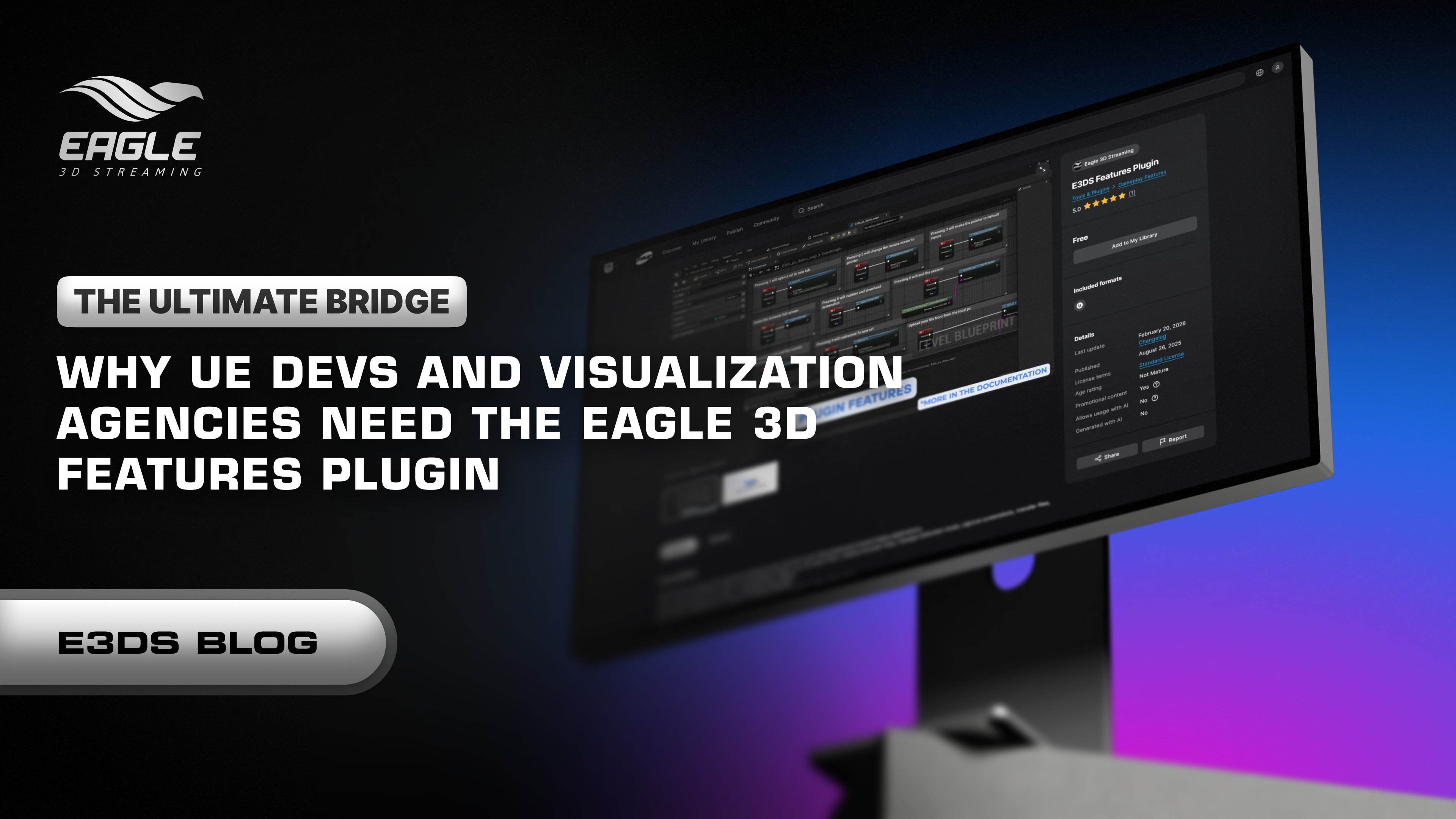
The Ultimate Bridge: Why UE Devs and Visualization Agencies Need the Eagle 3D Features Plugin
Unlock the full potential of Unreal Engine Pixel Streaming with the Eagle 3D Features Plugin. Simplify browser-to-engine communication with ready-to-use Blueprint nodes f...
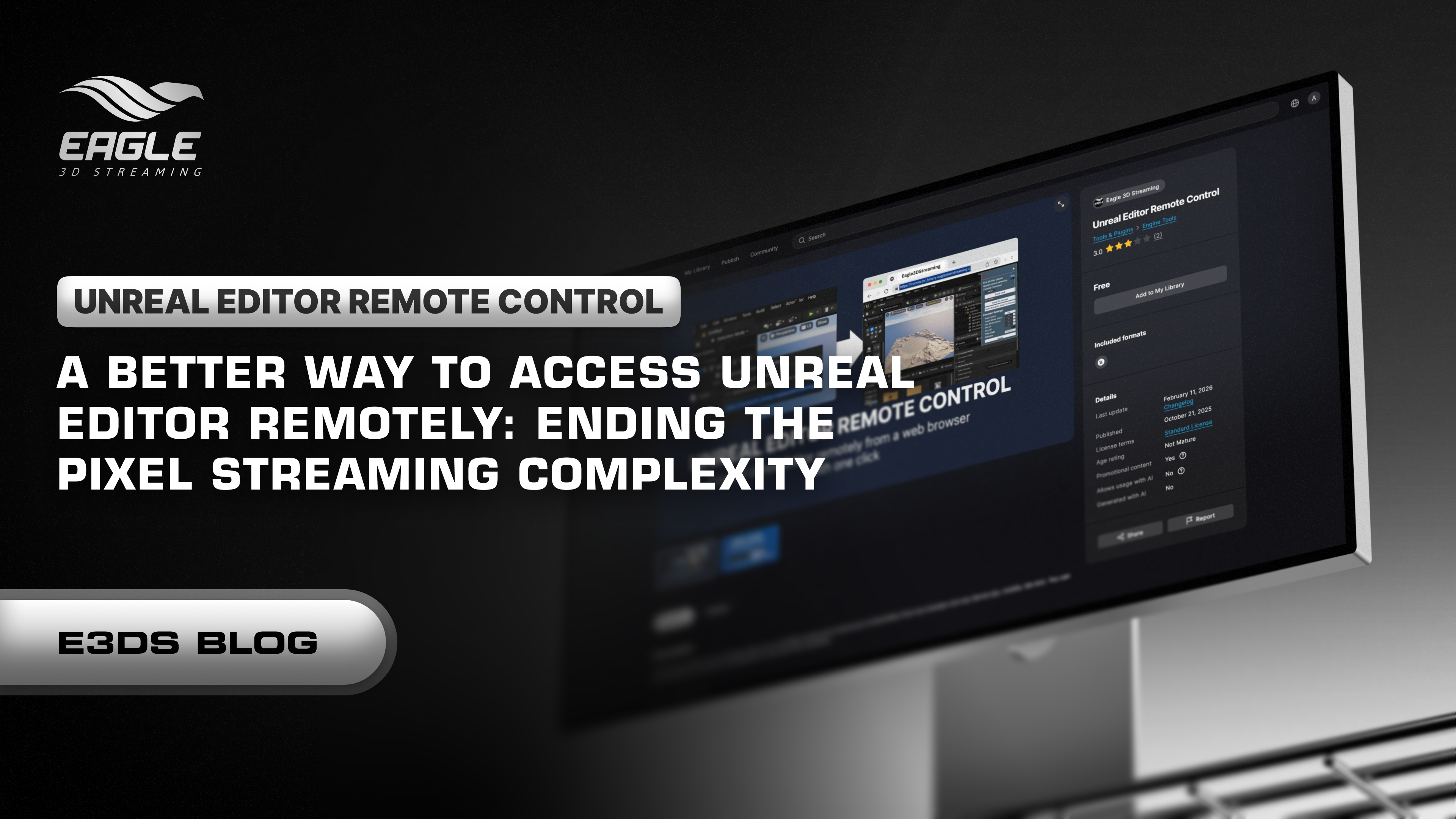
A Better Way to Access Unreal Editor Remotely: Ending the Pixel Streaming Complexity
Discover how the E3DS Remote Control Plugin simplifies remote Unreal Editor access for debugging, training, and team collaboration without complex setup....

Case Study: Bridging Real-World Design and Real-Time 3D With R3PLICA
Discover how R3PLICA uses Unreal Engine and Eagle 3D Streaming to deliver real-time 3D experiences and manufacturer-accurate design assets to creators worldwide....
Case Study: Democratizing High-Fidelity 3D Visualization With Spine3D
Discover how Spine3D uses Unreal Engine and Eagle 3D Streaming to deliver high-fidelity 3D visualization and VR experiences instantly through any web browser....